
Çıralı Caretta Caretta Nesting Area: A Sanctuary of Life
Stretching for over 3.2 kilometers along a pristine Mediterranean bay, Çıralı Beach is globally recognized as one of the most critical nesting habitats for endangered Loggerhead Sea Turtles (Caretta caretta). Surrounded by eco-conscious pomegranate orchards and protected from major resort developments, this tranquil paradise serves as a masterclass in ecological conservation, where eco-tourists and wildlife coexist in perfect, respectful balance.
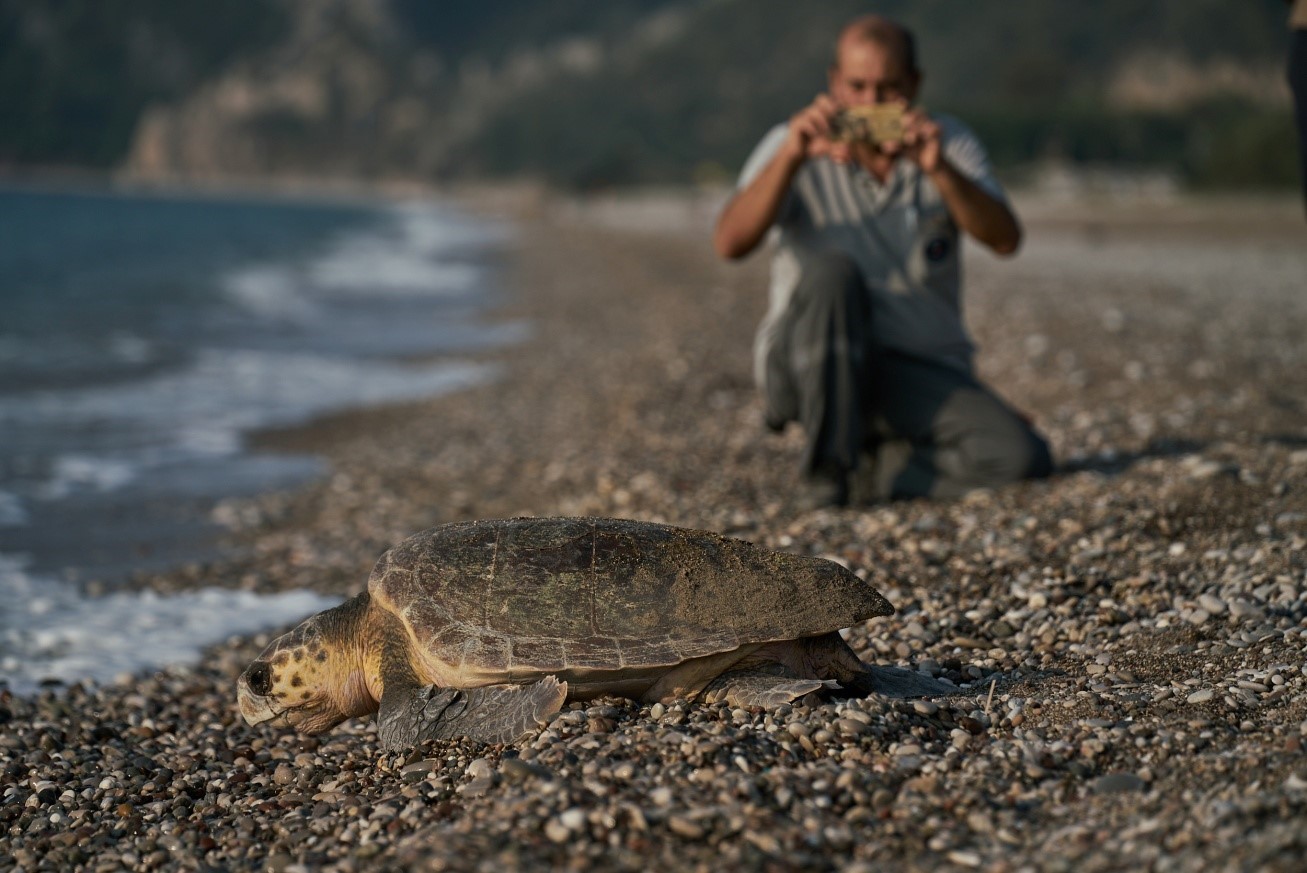
Image 1: The Protected, Development-Free Coastline of Çıralı Beach
The Annual Miracle: Caretta Caretta Life Cycle
Every year between May and August, adult female Caretta caretta turtles return to the exact beach where they were born decades earlier. Under the cover of total darkness, they slowly crawl up the beach to dig deep nests in the sand and deposit around 80 to 120 eggs. After an incubation period of roughly 45 to 60 days, the tiny hatchlings emerge from the sand—mostly between July and September—and navigate toward the sea by following the natural reflection of the moon on the water.
Where is Çıralı Turtle Beach and How to Experience It?
For travelers seeking responsible wildlife encounters, the key question is where is Çıralı beach. Located in the Kemer district of Antalya, Çıralı lies right next to Olympos Ancient City, sharing the very same mountain-enclosed coastal bay.
- By Private Car: Drive south from Antalya along the D400 highway. Take the winding Çıralı exit down through the valley for about 7 km until you reach the sea level. The entire stretch of the beach is designated as a protected zone.
- By Shuttles & Walking: Local minibuses run regularly from the main highway intersection down to Çıralı. If you are staying at a local Olympos bungalow or treehouse, you can simply walk along the coast past the ancient harbor mouth to access the turtle beach.
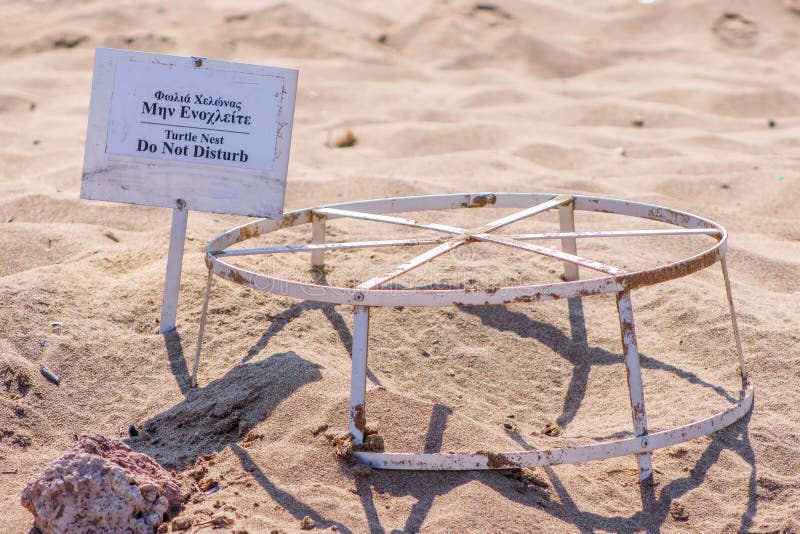
Image 2: Protective Iron Cages Set Up by Volunteers to Guard Turtle Nests
How the Local Community Protects the Nests
The reason Çıralı nesting area remains so successful is the strict, award-winning volunteer program managed by the local Ulupınar Environmental Protection Association. Every single morning at sunrise, dedicated volunteers patrol the beach to locate new tracks.
Once a nest is identified, they place a specialized metal cage over it. This cage prevents stray dogs and tourists from accidentally stepping on or digging up the eggs, while allowing the hatchlings to safely crawl through the gaps when they finally hatch.
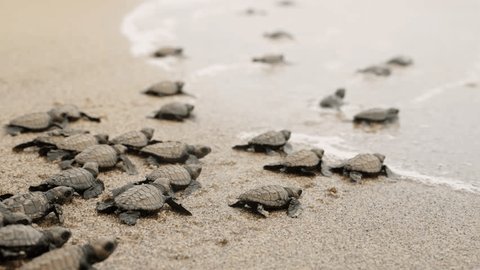
Image 3: A Tiny Newborn Hatchling Racing Towards the Mediterranean Waves
Beach Rules & Eco-Tourism Guidelines
Watching a tiny hatchling start its hundred-year journey into the deep blue sea is a powerful reminder of nature’s beauty. Keep following the Escape2Olympos blog for more eco-friendly travel tips, wildlife insights, and sustainable adventure guides along the Turquoise Coast!