
Myra Ancient City Travel Guide: Rock-Cut Tombs and Sacred History
Nestled in the fertile plains of Demre, Antalya, the Myra ancient city stands as one of the most breathtaking archaeological wonders of the Lycian League. Famous worldwide for its vertical, house-type rock-cut tombs carved into steep cliffs and its massive Roman theater, Myra is not just an ancient ruin—it is a sacred pilgrimage site home to the historical St. Nicholas (Santa Claus).
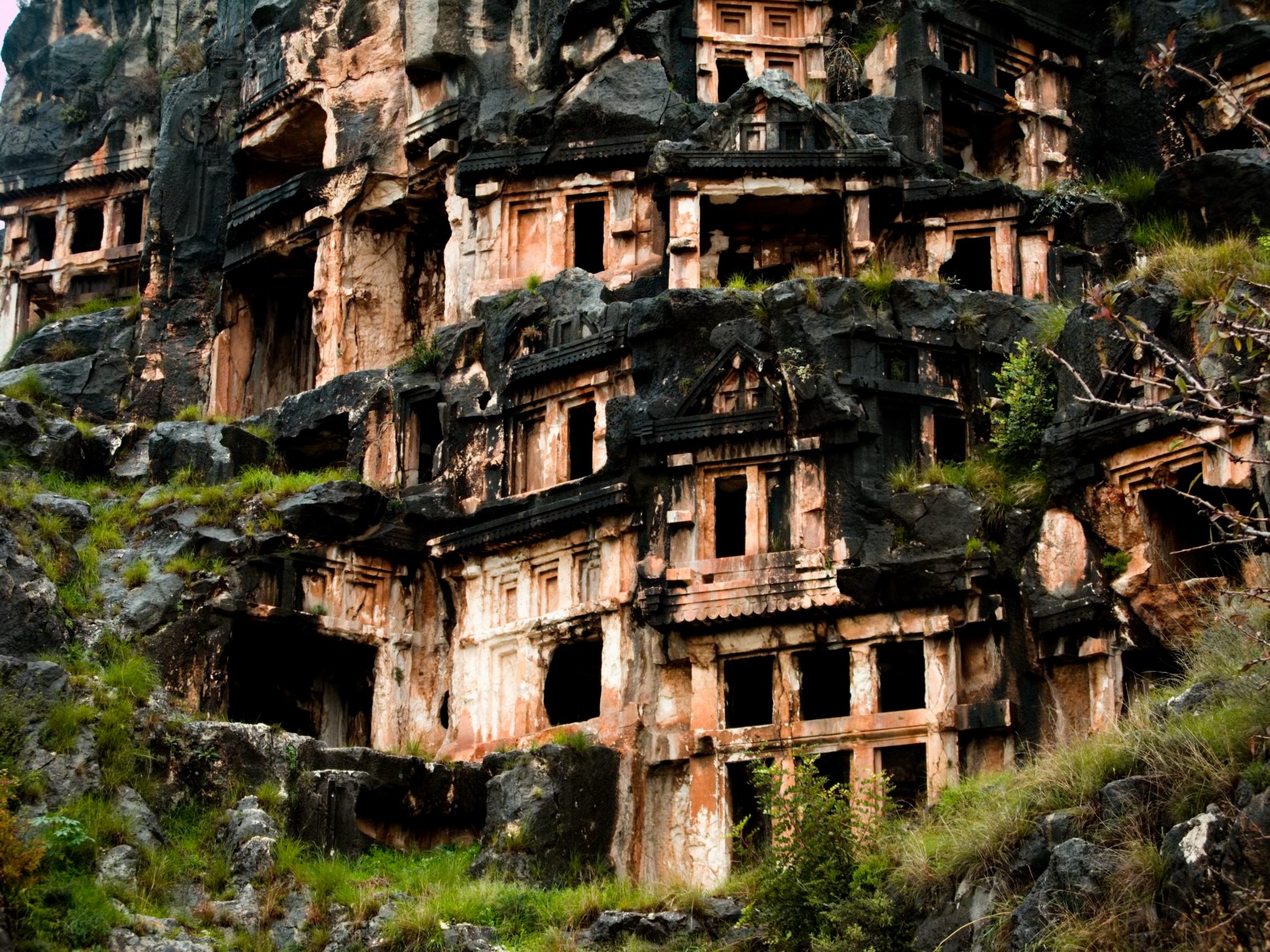
Image 1: The Iconic Vertical Lycian Rock-Cut Tombs of Myra
The Rich History of Myra: A Metropolis of the Lycian League
Dating back to at least the 5th century B.C., Myra was recognized as one of the six primary cities of the prestigious Lycian League, holding the supreme title of “Metropolis.” Due to its strategic location and its ancient port, Andriake, the city became a prosperous political, commercial, and religious center. During the Roman and Byzantine eras, Myra grew exponentially, gaining global religious prominence in the 4th century A.D. when St. Nicholas served here as bishop.
Where is Myra Ancient City and How to Get There?
For travelers mapping out their Mediterranean routes, a key question is where is Myra ancient city. The historical site is located in the modern town of Demre (formerly Kale), situated roughly halfway between Kaş and Olympos. Its proximity makes it a fantastic addition to your Olympos paragliding or boat trip itineraries.
- By Private Car: Drive along the scenic D400 coastal highway from Antalya towards Kumluca and Finike, following the well-marked signs directly to Demre center. Myra is located just 2 km inland from the town center.
- By Public Transportation: You can easily hop on any intercity bus traveling between Antalya and Kaş/Fethiye. These buses stop at the Demre Bus Terminal, from where you can take a brief taxi ride or enjoy a pleasant walk to the ruins.
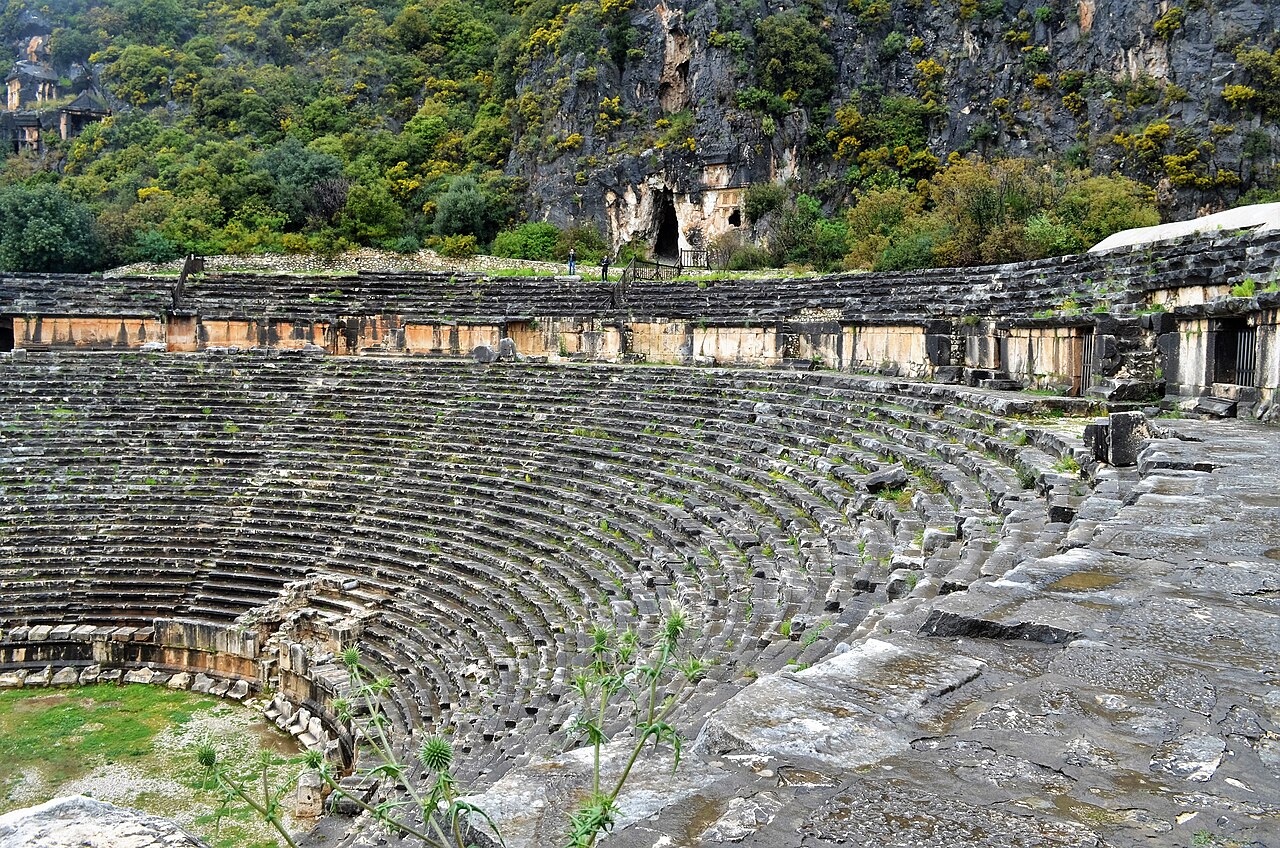
Image 2: The Magnificent Roman Theater with Intricate Carvings
Top Architectural Wonders to Explore in Myra
When following a complete Myra travel guide, there are three primary, exceptionally well-preserved sections that you must see:
1. The Cliffside Lycian Rock Tombs
Divided into the Ocean Necropolis and the River Necropolis, these stunning rock-cut tombs imitate ancient Lycian house architecture. Carved closely together on vertical cliff faces, they were designed high up to help the souls of the deceased reach the afterlife easily.
2. The Monumental Roman Theater
Right next to the necropolis sits a massive, double-vaulted Roman theater that could once accommodate up to 10,000 spectators. The site is highly praised by archeologists for its surviving theatrical masks, reliefs of mythological figures, and grand column fragments.
3. St. Nicholas Church (The Sacred Heritage)
Located just a few minutes down the road in Demre town center, this Byzantine-era basilica houses the original tomb of Saint Nicholas. Renowned for its ancient floor mosaics and medieval wall frescoes, it remains an active destination for international pilgrimages.
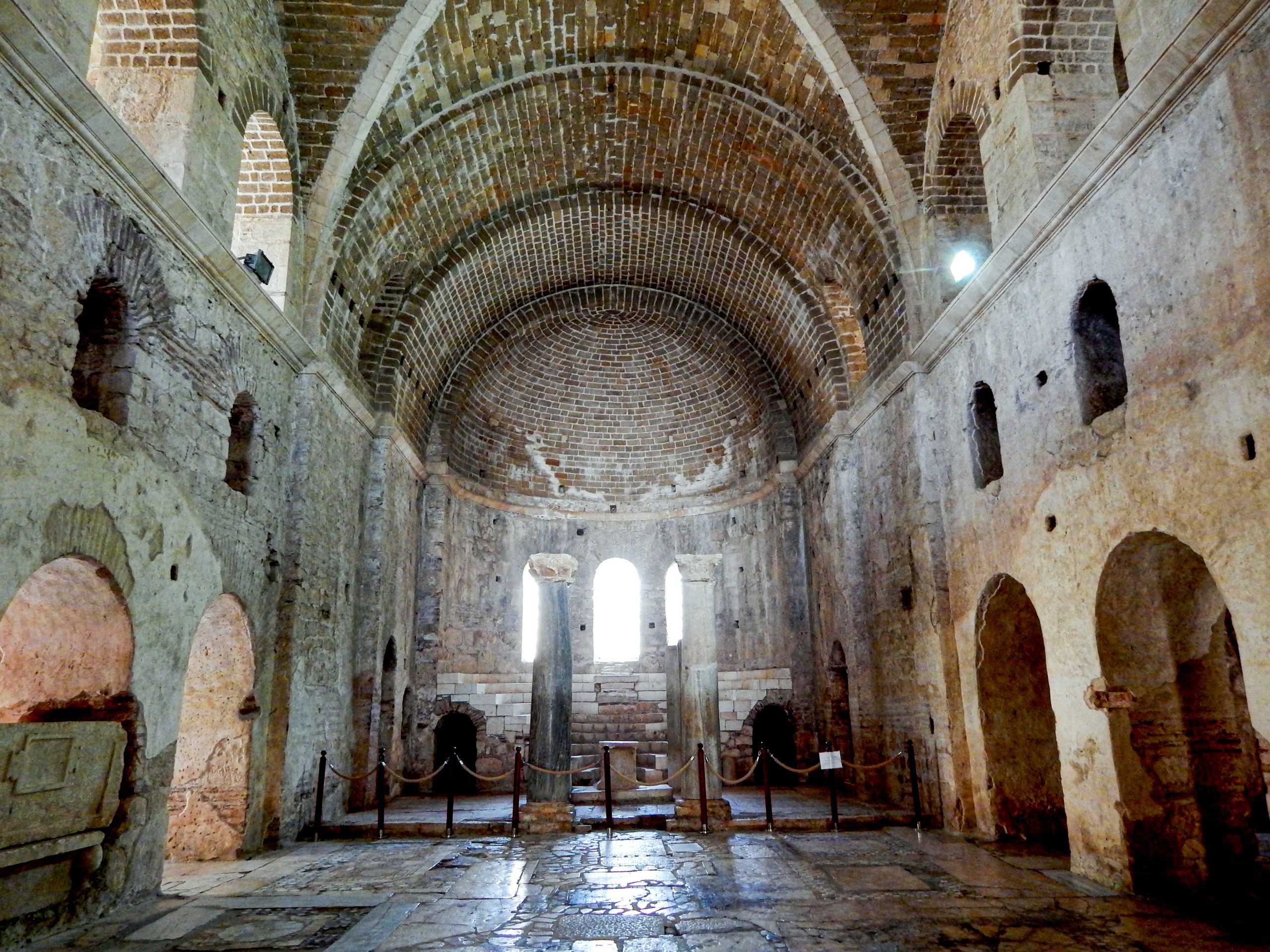
Image 3: The Historic St. Nicholas Church and Byzantine Frescoes
Practical Visitor Information & Quick Facts
Standing as a monumental testament to human artistry and spiritual devotion, this ancient metropolis is bound to be a highlight of your Mediterranean adventure. Keep following the Escape2Olympos blog for more expert travel guides, historical insights, and coastal tüyos!